


La cereria Graziani, fabbrica di candele dal 1805, produce nel proprio stabilimento di Lorenzana cere di ogni forma e dimensione destinate ai mercati di tutto il mondo, cui associa una vasta gamma di accessori.
Graziani, wax chandlers since 1805, manufacture in their Lorenzana plant many kinds of candles that are shipped all over the world toghether with a wide range of bespoke accessories.
Raw materials
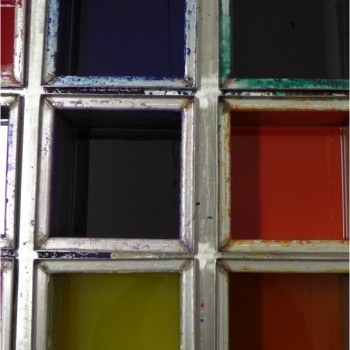
Wax
Are candles made of wax? The answer is “yes”, and the answer is “no”. Yes, candles are made of wax, but what does wax mean? We often think that wax means beeswax, but this is not the case. Wax is one of the states that materials can take (like solid, liquid, paste, gel).
“Wax” has two main features: it must have a pretty low melting point and it must be rather malleable at room temperature. All candles are made of wax exactly because these feature allow them to work properly. Waxes can be vegetable (soy wax, palm wax, stearin etc.), animal (beeswax, stearins, etc.), mineral (paraffines) and synthetic (very special, not in use in the candle industry). Most candles on the market are made of paraffin or vegetable waxes.
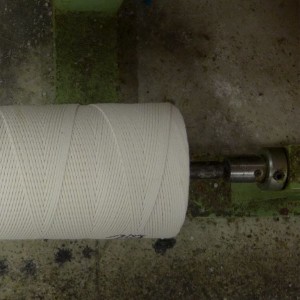
The wick
The wick is the soul of the candle. This think cotton thread is responsible for the correct burning of the candle. Manufactured with special cotton grown only in Egypt, it is treated and braided in a lot of different ways (using very complicated technologies), as each shape, each wax, each colour needs its very special wick.
All efforts aim at making candles that burn properly without any soot emission or dripping problems.
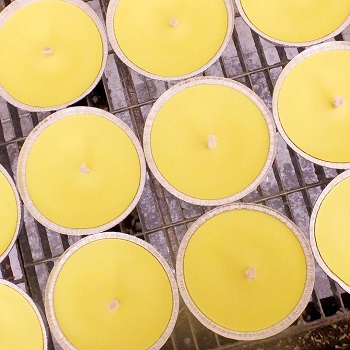
Citronella
Citronella oil is one of the essential oils obtained from the leaves and stems of different species of Cymbopogon. Citronella oil is also a plant-based insect repellent and has been registered for this use in the United States since 1948. The United States Environmental Protection Agency considers oil of citronella as a biopesticide with a non-toxic mode of action.
For our candles, we use citronella oil obtained from: Cymbopogon winterianus Jowitt (Java type), that consists of citronellal (32-45%), geraniol (11-13%), geranyl acetate (3-8%), limonene (1-4%).
The higher proportions of geraniol and citronellal in the Java type make it a better source for use in candles. Candles are a great carrier for citronella oil. In fact, citronella oil is diffused via the bowl of melting wax, whose temperature never reaches the point that would make the active principles deteriorate and lose their properties.
Citronella oil from Cymbopogon species should not be confused with other similar lemony oils from Corymbia citriodora and Pelargonium citrosum.
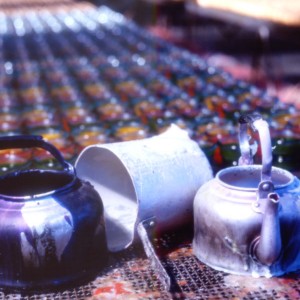
Clean Energy
Every human activity needs energy, and candle production is no exception. One of our priorities is to choose energy sources with the lowest possible environmental impact.
Here are our choices:
- we heat the wax using natural gas with a steam generator;
- the burner is managed by modulating the flame, which reduces consumption;
- return heat is reused, with 100% of condensate recovered;
- 60% of our company vehicles are hybrid or electric.
Solar energy on our roof
Since 2024, the roof of our Lorenzana plant has hosted a photovoltaic system. It produces nearly 120,000 kWh of clean electricity, a significant share of our electricity needs, avoiding the release of approximately 30 tonnes of CO₂ into the atmosphere. Thanks to the system, the energy we purchase from the grid has more than halved compared to 2023, falling from over 113,000 to around 55,000 kWh. This is energy produced and consumed right here, where our candles are made: a concrete step towards reducing our dependence on fossil fuels.
Sustainability, measured and shared
We believe sustainability must be demonstrated with numbers. That is why, since 2024, we have voluntarily taken part in the Sustainability Report of the Tuscan Chemical Sector (Bilancio di Sostenibilità del Comparto Chimico Toscano), promoted by the Confindustria system in Tuscany. Together with the other companies in the sector, we report each year on the environmental, social and economic data of our activities, in line with the international GRI (Global Reporting Initiative) guidelines. Taking part in this project means benchmarking ourselves against other local companies, measuring our progress and making it transparent to customers, employees and the community.